Residential Termite Treatment for Lawrence Homes
Request a termite estimate
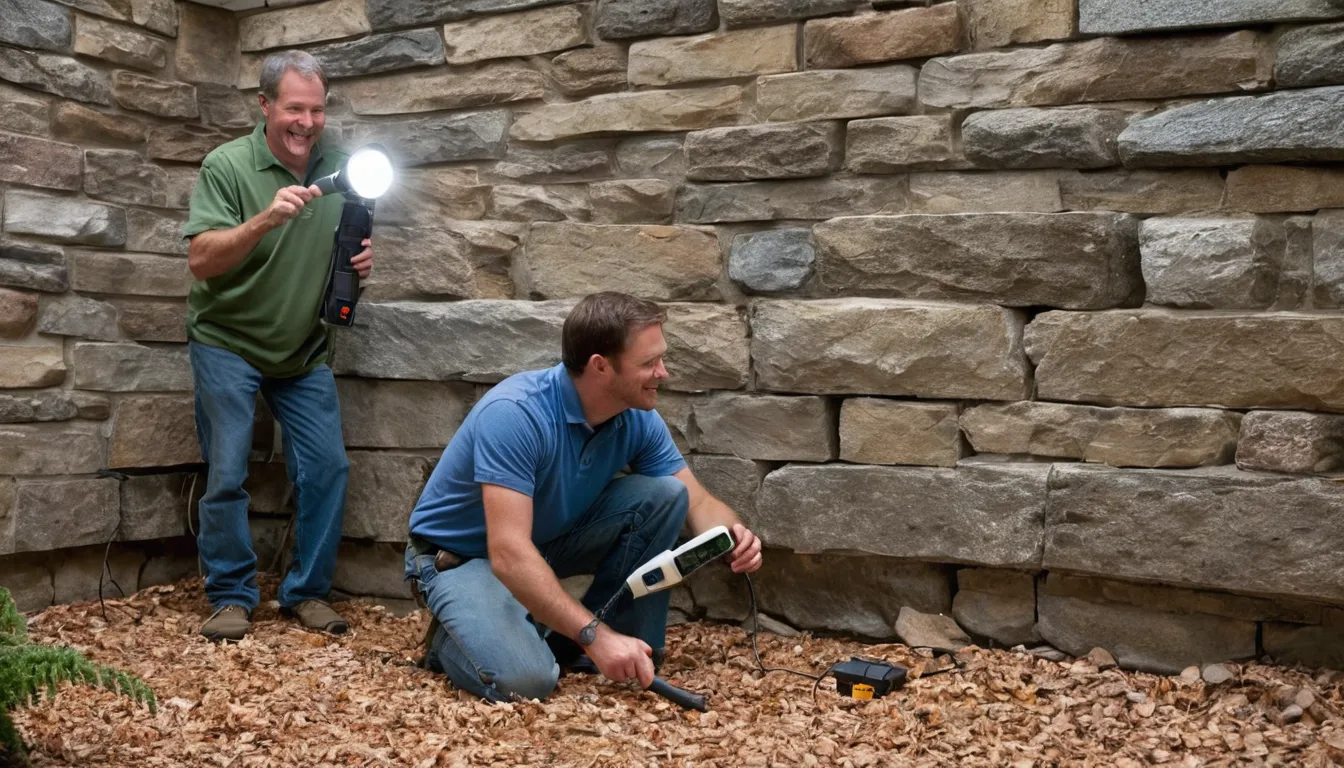
Termites work out of sight. They eat wood inside walls, sills and floor joists, so a small sign can point to a bigger problem. Small signs matter, and checking early usually keeps repairs smaller.
Similarlyaddressed Pest Control is a referral service. We do not treat homes ourselves. We connect Lawrence homeowners with independent providers in our network. You can request an estimate, compare approaches side by side, and take your time. There is no obligation. This page explains what to look for, what to do first, and what to ask before you choose. It also covers common termite types, how treatment works, how to get ready for a visit, and how to lower the odds of a return.
Think You Have Termites? Start Here
Stay calm, but do not wait long. Termites rarely cause harm overnight, yet they keep feeding while you decide. A short, careful plan works better than a rushed one.
Begin with these steps:
- Do take clear photos of what you see.
- Do write down the date and the spot.
- Do keep a few samples of wings or debris in a sealed bag.
- Do not spray store-bought products on the area. Spray can scatter the colony and hide the trail.
- Do not tear open walls yourself.
Why Prompt Attention Matters
Termites feed on wood all day. Damage grows slowly, then shows up all at once, such as a soft floor or a sticking door. Older homes with stone or block foundations and wood sills can give them easy paths in. Acting early often means a smaller treatment and fewer repairs.
Know the Early Warning Signs
Look, then compare. Many signs are easy to miss, so check these spots a few times a year.
Mud Tubes
Thin, pencil-wide tunnels of dried dirt on foundation walls, piers or sills. Subterranean termites build them to travel safely.
Discarded Wings
Piles of small, equal-sized wings near windows or doors often mean a swarm has happened indoors.
Hollow or Soft Wood
Tap baseboards, sills and beams with a screwdriver handle. A dull, papery sound is a warning. Do not pry hard, since you may spread debris.
Frass and Pinholes
Tiny pellets that look like sawdust or coffee grounds can point to drywood termites. Fine holes in wood or drywall are another hint.
Check the Places Termites Like
Basements and crawl spaces deserve extra attention in cold climates. Freeze-thaw cycles can open small cracks in block and stone. Spring snowmelt leaves soil damp against the foundation. Moisture draws termites, so look near leaky pipes, window wells, porch posts and firewood piles.
Termite or Flying Ant?
They look alike at first glance. Termites have a thick waist, straight antennae and wings of equal length. Flying ants have a pinched waist, bent antennae and uneven wings. If you are unsure, bag a sample. A provider can identify it during an inspection.
Types of Termites
Subterranean Termites
These live in soil and reach the home through mud tubes or cracks. They are a common type in colder regions.
Drywood Termites
These nest inside the wood itself and need no soil contact. They are less common in cold areas, but can arrive in furniture or lumber.
Dampwood Termites
These prefer wet, rotting wood. Fixing the moisture is part of the plan.
How Termite Treatment Works
A provider usually starts with an inspection of the foundation, basement, crawl space and attic. Then they suggest an approach. Common choices include:
- Liquid soil treatment: a protective zone placed in the soil around the foundation.
- Bait stations: placed around the yard and checked over time.
- Spot or wood treatment: used for small, contained problems.
- Fumigation or heat: sometimes used for widespread drywood activity.
Each method has trade-offs in time, disruption and price. Ask the provider why they chose theirs.
Compare Estimates Without Pressure
Decide without pressure. Request more than one estimate when you can. Lay them side by side and look for differences in scope, method and follow-up visits. A lower number is not always a better deal if it covers less.
Questions to Ask a Provider
- Which type of termite did you find, and how?
- What exactly will be treated, and where?
- Which products or bait systems will be used?
- Is a repair or retreatment plan included, and for how long?
- What should my household do before and after?
- Is the quote written and itemized?
Termite Inspections for Home Sales
Buyers and lenders often ask for a termite inspection. If you are selling, an early inspection leaves time to handle findings calmly. If you are buying an older home, ask for the report before closing. Treat it as a record, not a verdict.
Getting Ready for Treatment
Providers may ask you to clear space along basement walls. Move stored boxes, firewood and clutter. Keep pets and children away from treated areas as directed. Do not seal or cover vents unless told to. Follow the written instructions closely.
After Treatment
Expect some activity to continue for a short time. Do not panic or re-spray. Follow-up visits matter, especially with bait systems. Keep records, since they help later with a sale or a claim.
Reduce Moisture
Fix leaks, clean gutters and direct downspouts away from the foundation.
Keep Wood Off the Soil
Store firewood away from the house. Keep mulch a few inches below siding.
Keep Checking
Repeat your simple look-over each spring and fall.
What About Insurance?
Termite damage is often excluded from home policies. Some policies may cover sudden damage from other causes, so check your policy. Providers can often help document damage for a claim.
Ready When You Are
You do not have to decide today. Request an estimate, read it at home, and compare it with another. Providers set their own availability, so timing can differ from one to the next.
Request a callback to check provider availability in your area.
What's Included
Termite Inspection
A provider checks the foundation, basement, crawl space and attic for mud tubes, damage and moisture.
Treatment Options
Soil treatment, bait stations or spot work, chosen to match the termite type.
Written Estimate
An itemized quote that shows scope, method and follow-up, so you can compare clearly.
Follow-Up Checks
Return visits to confirm activity has stopped, especially when bait systems are in place.
Typical Termite Treatment Costs
Prices vary by home size, termite type and method. These are typical U.S. ranges only. Always ask for a written quote before you agree to anything.
| Service | Typical range | Notes |
|---|---|---|
| Termite inspection | $75 – $300 | Some providers include it with treatment |
| Spot treatment | $250 – $900 | For small, contained activity |
| Liquid soil treatment | $1,000 – $3,500 | Depends on foundation length |
| Bait station system | $1,500 – $4,000 | Often adds monitoring visits |
| Whole-structure fumigation | $1,500 – $5,000 | For widespread drywood termites |
| Annual monitoring plan | $200 – $800 | Terms and coverage vary by provider |
How It Works
Look and Photograph
Note mud tubes, wings or soft wood. Take photos and leave the area undisturbed.
Request Estimates
Send one request form and receive options from independent providers.
Compare Plans
Review method, scope, written terms and follow-up before you choose.
Prepare and Follow
Clear access, follow instructions, and keep your records.
Why Call Similarlyaddressed Pest Control
Compare Before Committing
Request estimates from independent providers and weigh methods, scope and follow-up side by side.
No Obligation
Asking for an estimate does not commit you to hiring anyone. Take the time you need.
Safety First
Clear do and do not guidance helps you avoid costly mistakes before treatment.
Local Providers
Independent professionals who know older homes and cold-weather foundations.
Other Services

Need residential termite treatment in Lawrence?
Tell us what you are seeing in your home. Send a request and a local provider in our network can reach out with an estimate. No obligation.
No obligationResidential Termite Treatment FAQ
How do I know if I have termites?
Look for mud tubes on foundation walls, discarded wings, hollow-sounding wood and sawdust-like pellets. Take photos and avoid spraying. A provider can confirm the pest and the extent during an inspection.
Can I treat termites myself?
Store-bought products rarely reach the full colony and can make the problem harder to trace. For safety and lasting results, most homeowners are better off comparing estimates from licensed independent providers.
How much does termite treatment cost?
Typical U.S. costs range from a few hundred dollars for spot work to several thousand for full systems. Prices vary by job, so ask for a written quote.
Get in touch
Tell us what you are seeing in your home. Send a request and a local provider in our network can reach out with an estimate. No obligation.
No obligation