Rodent and Wildlife Removal Services for Your Home
Request an estimate and compare options
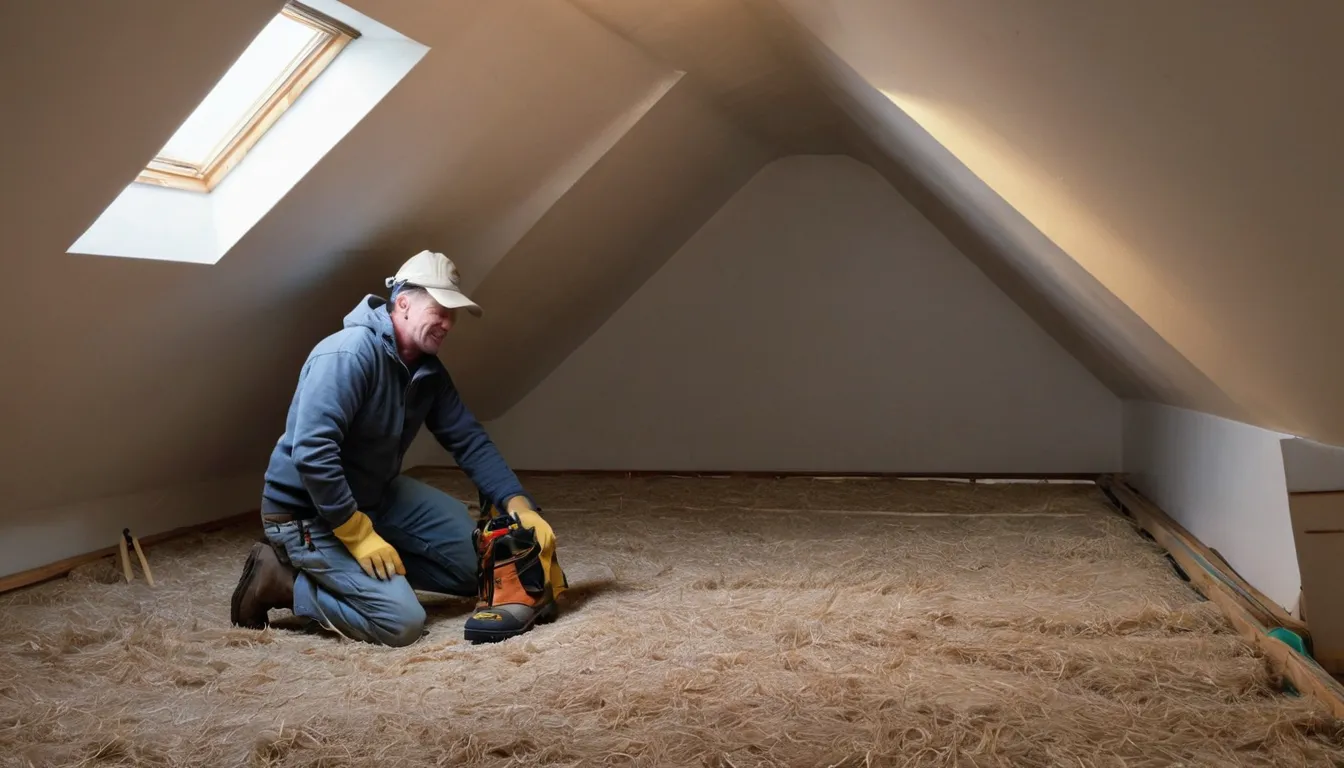
Rodents and wildlife can settle into attics, basements, and wall gaps fast. Similarlyaddressed Pest Control is a referral service. We do not do the work. We connect Lawrence homeowners with independent providers in our network who handle mice, rats, squirrels, raccoons, bats, and more.
Look, then compare. You can describe what you hear or see, request an estimate, and review your options with no obligation. Providers set their own methods, schedules, and prices, so a written quote matters. Small signs matter, and acting early often keeps a minor problem from becoming a costly repair.
Noises in the Attic or Walls? Start Here
Scratching at night. Thumping above the ceiling. A musty, sharp smell in the basement. These point to animals sharing your home, and it is smart to act early.
Here is the safe first move. Stay calm, note what you hear and where, and request an estimate from a provider in our network.
Urgent Signs to Act On First
Some situations need a quicker response. Many providers can respond quickly, but availability varies.
- Animals inside living spaces, such as a bat in a bedroom
- Chewed wiring or gnawed insulation
- Young animals crying inside a wall or chimney
- Droppings near food, pet dishes, or play areas
If anyone has been bitten or scratched, contact a doctor. Request a callback to check provider availability for urgent cases.
Small Signs Matter
You do not need to see an animal to know one is there. Look for these early clues:
- Greasy rub marks along baseboards
- Small droppings in corners or cabinets
- Shredded paper, fabric, or insulation
- Holes near rooflines, vents, or foundation gaps
- Pets staring at one wall
Catching these early often means a smaller job.
What Not to Do
Do not seal a hole before you know the animal is gone. Trapped animals can die inside walls or cause more damage.
Do not handle droppings or nests with bare hands. They can carry germs, and dust can spread them.
Do not use loose poison indoors. Pets, children, and wildlife can be harmed, and poisoned animals often die where you cannot reach them.
Do wear gloves, keep pets away, and wait for a provider's advice.
Common Animals Providers Handle
Providers in our network commonly deal with:
- Mice and rats: fast breeders that chew wires and pipes
- Squirrels and chipmunks: attic nesters that gnaw wood
- Raccoons: heavy animals that tear vents and soffits
- Bats: often protected, so special rules may apply
- Skunks and opossums: den under porches and sheds
The right approach depends on the animal, so identification comes first.
How Removal Usually Works
Every provider has their own process. Most follow a similar path.
Inspection
The provider checks the attic, basement, roofline, and outside walls. They look for entry points, nests, and damage.
Removal
Methods depend on the animal. Options can include traps, one-way exits, or live capture and release where allowed.
Sealing Entry Points
This step matters most. Without it, new animals can find the same gap.
Cleanup and Repair
Some providers also clean droppings and replace soiled insulation. Others refer this out. Ask what your quote includes.
Humane Handling and Local Rules
Many animals are protected during certain seasons, especially nesting season for babies. Bats often have strict rules. State and local laws may limit when and how animals can be moved.
Ask each provider how they handle these rules. A careful provider will explain their plan plainly.
Why Older Homes Need Extra Attention
Cold snowy winters push animals indoors for warmth. Older houses with stone or block foundations, full basements, and aging trim often have small gaps. Spring melt and coastal storms can loosen siding and flashing, which opens new entries.
Multi-family and Cape Cod style homes may have shared walls or tight attic spaces. A provider should check these areas.
Comparing Providers Without Pressure
Compare at least two estimates when you can. Look at the method, the scope, and the follow-up, not only the price.
A clear written quote should list what is included. Be cautious if a quote seems vague or pushes you to decide on the spot.
Questions Worth Asking
- What animal do you think it is, and why?
- Will entry points be sealed, and how?
- Is cleanup included?
- What happens if animals return?
- Is there a written quote and a written warranty?
Keeping Animals Out
Prevention is simpler than repeat visits. After removal, try these steps:
- Trim branches that touch the roof
- Store trash and pet food in sealed containers
- Cover chimneys, vents, and crawl spaces with sturdy screening
- Seal gaps around pipes and the foundation before winter
Check again each fall and after big storms.
Decide Without Pressure
You do not need to choose today. Describe what you notice, review the estimates, and take the option that feels clear and safe for your home.
What's Included
Inspection and identification
A provider checks attic, basement, and exterior to identify the animal and find how it got in.
Safe removal
Methods vary by animal and local rules, with humane options where they apply.
Sealing entry points
Gaps and vents are closed so new animals cannot slip in.
Cleanup options
Some providers handle droppings and damaged insulation. Ask what your quote covers.
Typical rodent and wildlife removal costs
Prices vary by animal, home size, and how hard the access is. These are typical U.S. ranges only. Always get a written quote that lists exactly what is included.
| Item | Typical range | Notes |
|---|---|---|
| Inspection | $75 – $300 | Sometimes applied to the job |
| Mouse or rat control | $150 – $600 | Depends on visits and severity |
| Squirrel or raccoon removal | $250 – $750 | Varies by trap and access needs |
| Bat exclusion | $500 – $3,000 | Timing and local rules affect price |
| Entry point sealing | $200 – $2,000 | Depends on number and height of gaps |
| Cleanup and insulation | $500 – $5,000 | Larger attics cost more |
How It Works
Note the signs
Write down what you hear, see, and smell, and where. Keep pets and children away from the area.
Request an estimate
Share your details through the request form so a provider in our network can follow up.
Compare your options
Look at methods, what is included, and the written quote for each provider.
Choose and schedule the work
Pick the provider that fits, confirm the plan, and ask about follow-up and prevention.
Why Call Similarlyaddressed Pest Control
Compare before you decide
Review several independent providers and estimates side by side with no obligation.
Safety first
Clear do and do not guidance helps you avoid costly mistakes.
Local fit
Providers in our network know older homes, cold winters, and regional animal behavior.
Calm process
Request an estimate, ask questions, and decide at your own pace without pressure.
Other Services
Need rodent & wildlife removal services in Lawrence?
Tell us what you are seeing in your home. Send a request and a local provider in our network can reach out with an estimate. No obligation.
No obligationRodent & Wildlife Removal Services FAQ
What should I do first if I hear animals in my attic?
Stay calm and keep pets and children away. Note the sounds and location. Do not seal any holes yet. Request an estimate so a provider can identify the animal and plan safe removal.
Is it safe to remove rodents or wildlife myself?
It can be risky. Animals may bite, and droppings and nests can carry germs. Some species are protected by law. A provider can identify the animal, follow local rules, and seal entry points correctly, so ask for an estimate first.
How much does wildlife removal usually cost?
Typical U.S. costs range from about $150 for simple rodent control to several thousand dollars for bat exclusion or large cleanups. Prices vary by job, so compare written quotes from more than one provider.
Get in touch
Tell us what you are seeing in your home. Send a request and a local provider in our network can reach out with an estimate. No obligation.
No obligation