Home Pest Control for Lawrence Homeowners
Request an estimate, no obligation
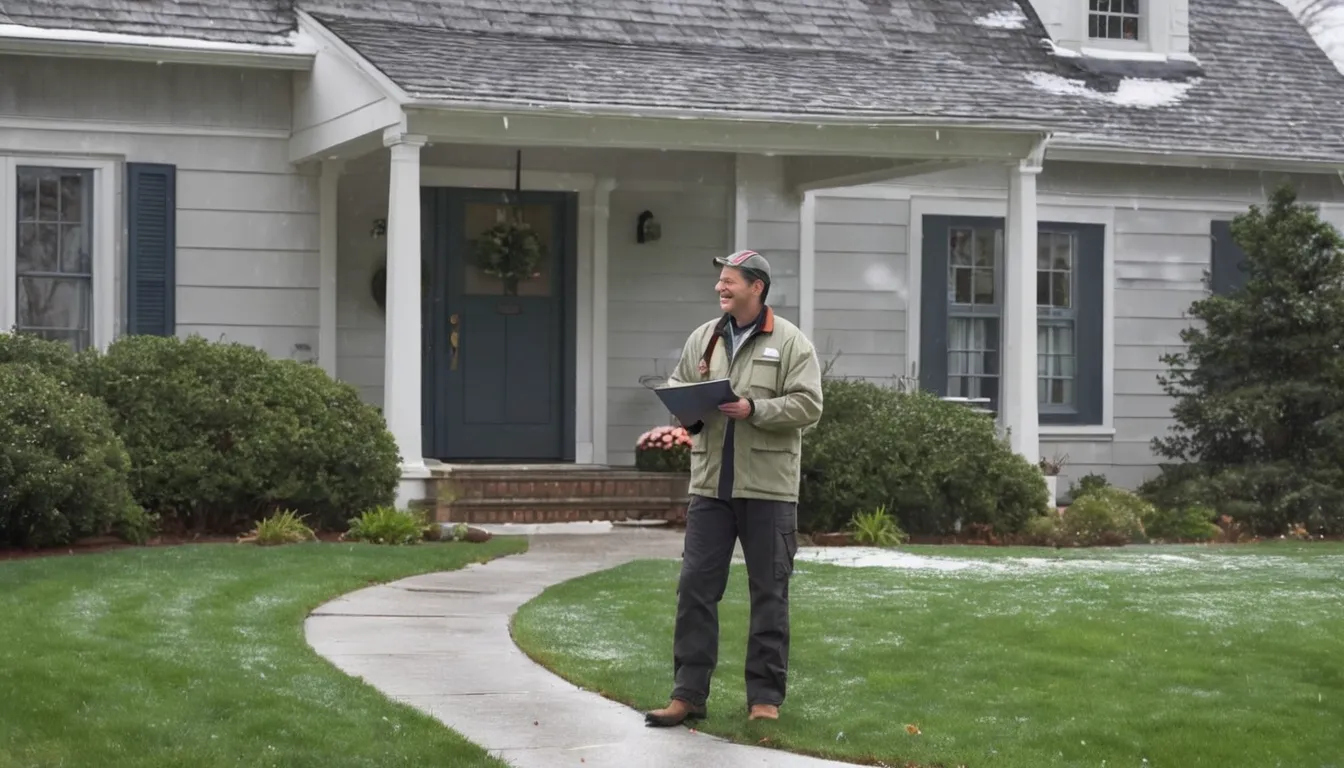
Found ants on the counter, a roach by the sink, or droppings in a cabinet? Home pest control means a local provider inspects your house, finds why pests are there, and treats the problem. Similarlyaddressed Pest Control does not do the work. We connect you with independent providers in our network.
Older homes in the Lawrence area often have stone foundations, damp basements, and gaps that let pests in. Cold winters push insects and rodents indoors. Request an estimate, compare what each provider offers, and decide without pressure. Small signs matter, so the sooner you look, the simpler the fix tends to be.
Seeing Pests Right Now? Do This First
Stay calm. Most household pests are a nuisance before they become a health or repair problem. The steps below keep you safe while you compare options. Request an estimate first, then decide at your own pace.
Do and Do Not: Safe First Steps
A few simple moves help. A few common mistakes make things worse.
- Do wipe up crumbs and spills, and put pet food away at night. Pests follow food and water.
- Do take clear photos of the pest, droppings, or damage. Providers use them to quote more accurately.
- Do keep kids and pets out of any area you plan to have treated.
- Do not set off foggers or bug bombs indoors. They can irritate lungs, pose a fire risk, and push pests deeper into walls.
- Do not mix cleaners or sprays. Some combinations give off harmful fumes.
- Do not spray near food, dishes, or pet bowls.
Small Signs Matter
A pest problem rarely starts big. It starts with one ant trail, one odd smell, one chewed corner. Acting at that stage usually means a smaller treatment and less repair later.
When you notice a sign, write down the date and the spot. Patterns help a provider decide what is going on.
Early Warning Signs to Check
Kitchen and Pantry
Look for tiny holes in cereal or flour bags, ant lines near sinks, and dark specks along cabinet edges. Roaches like warm, dark spots behind appliances.
Basements and Foundations
Full basements with stone or block walls hold moisture. Check for damp corners, small gaps near pipes, cobwebs in clusters, and crickets in the evening.
Bedrooms and Furniture
Tiny rust-colored spots on sheets, itchy bites in a line, or small shed skins near seams can point to bed bugs. Bed bug treatment is a special job, so do not guess. Do not toss a mattress or move items room to room, because that can spread them.
What Residential Pest Control Covers
Residential pest control is more than spraying. A good visit usually has these parts:
- An inspection of inside and outside, including the foundation, attic, and crawl spaces.
- Identifying the pest, since the right treatment depends on it.
- Treatment, such as baits, targeted products, or perimeter work.
- Advice on gaps, moisture, and storage that invite pests back.
- A follow-up plan when the pest needs more than one visit.
Rodent and wildlife work and termite treatment are separate services with their own pages.
Common Pests Providers Treat
Homeowners in the Lawrence area most often ask about:
- Ants, which come inside after food, water, or warmth.
- Spiders, usually drawn in by the insects they eat.
- Roaches, which hide in tight, warm places.
- Crickets, common in damp basements and garages.
- Bed bugs, which hitchhike on luggage and used furniture.
Mice and rats are also common in cold months. If you suspect them, check the rodent page.
Questions About Product Safety
It is smart to ask before anyone treats your home. Ask the provider:
- Which products will be used, and where?
- How long should kids and pets stay out of treated areas?
- Are there lower-odor or targeted options?
- What should be covered or put away first?
A careful provider answers plainly and shares label directions. If an answer feels vague, keep comparing.
One-Time Treatment or Ongoing Plan?
A one-time visit can fit a single, clear problem, like a wasp nest or a short ant trail. An ongoing plan can make sense when pests return each season, which happens often with freeze-thaw cycles and spring snowmelt.
Ask each provider what a plan includes, how many visits, and what happens if pests come back between visits. Get it in writing.
Comparing Estimates Without Pressure
Decide without pressure. Lay estimates side by side and look at:
- What pest and areas are covered.
- Whether follow-up visits are included.
- Product details and prep steps.
- Total price and any extra fees.
Be cautious if someone insists you must sign today. A fair estimate still makes sense tomorrow.
Searching for an Exterminator Near Me?
The providers in our network are independent local businesses. Similarlyaddressed Pest Control helps you reach them and compare, but each provider sets its own prices, methods, and schedule. Request a callback to check provider availability if you would rather talk it through.
Helping the Treatment Work
A little prep goes a long way:
- Clear clutter from baseboards, under sinks, and basement walls.
- Fix leaky pipes and run a dehumidifier in damp spaces.
- Store food in sealed containers.
- Follow the provider's prep and re-entry instructions exactly.
- Report new sightings so the plan can be adjusted.
Ready to Compare?
Start with a request for an estimate. There is no obligation, and you choose what happens next.
What's Included
Home Inspection
A provider checks rooms, basements, and the outside of your house to find where pests enter and hide.
Pest Identification
Knowing the exact pest matters, because ants, roaches, and spiders each need a different approach.
Targeted Treatment
Baits, products, and perimeter work are chosen for your pest, your home, and any kids or pets.
Prevention Advice
Providers point out gaps, moisture, and storage habits that can invite pests back after treatment.
Typical Home Pest Control Costs
Prices vary by pest, home size, and how bad the problem is. These are typical U.S. ranges only. Always get a written quote from each provider before you agree to work.
| Service | Typical range | Notes |
|---|---|---|
| Single-visit general treatment | $100 – $300 | Fits one clear problem; follow-up may cost extra |
| Ongoing quarterly plan (per visit) | $100 – $200 | Covers seasonal pests; ask what is included |
| Ant treatment | $100 – $350 | Depends on species and size of the colony |
| Roach treatment | $150 – $500 | Often needs a second visit |
| Bed bug treatment | $300 – $2,500 | Depends on rooms treated and method used |
| Inspection only | $75 – $200 | Some providers apply it toward treatment |
How It Works
Spot and Note
Write down what you saw, where, and when. Add photos if you can do so safely.
Request an Estimate
Send a short request describing the pest and the rooms affected.
Compare Providers
Review scope, products, follow-up visits, and price in writing.
Choose and Prepare
Pick the fit that suits you, then follow the prep steps carefully.
Why Call Similarlyaddressed Pest Control
Compare Options
Review estimates from independent providers side by side before choosing, so you understand what each one offers.
No Obligation
Requesting an estimate does not commit you to anything. You decide when you are ready.
Safety First
Ask about products, pets, and prep steps up front so the visit fits your household.
Local Knowledge
Providers know how cold winters and older homes shape pest problems nearby.
Other Services

Need home pest control in Lawrence?
Tell us what you are seeing in your home. Send a request and a local provider in our network can reach out with an estimate. No obligation.
No obligationHome Pest Control FAQ
How do I know if I need pest control or can handle it myself?
One stray ant or spider is often manageable. Repeated sightings, nests, droppings, bites, or pests in several rooms are signs to request an estimate. Avoid foggers, which can be unsafe indoors.
Is pest treatment safe for kids and pets?
It can be when done carefully. Ask the provider which products they use, where they apply them, and how long people and pets should stay out. Follow the label and prep directions closely.
How much does residential pest control cost?
Typical U.S. prices run about $100 to $300 for a one-time visit, and many quarterly plans cost around $100 to $200 per visit. Costs vary by pest and home, so get a written quote.
Get in touch
Tell us what you are seeing in your home. Send a request and a local provider in our network can reach out with an estimate. No obligation.
No obligation